AOC
General Analysis
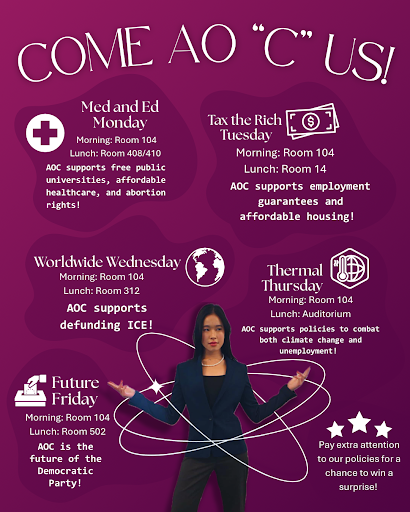
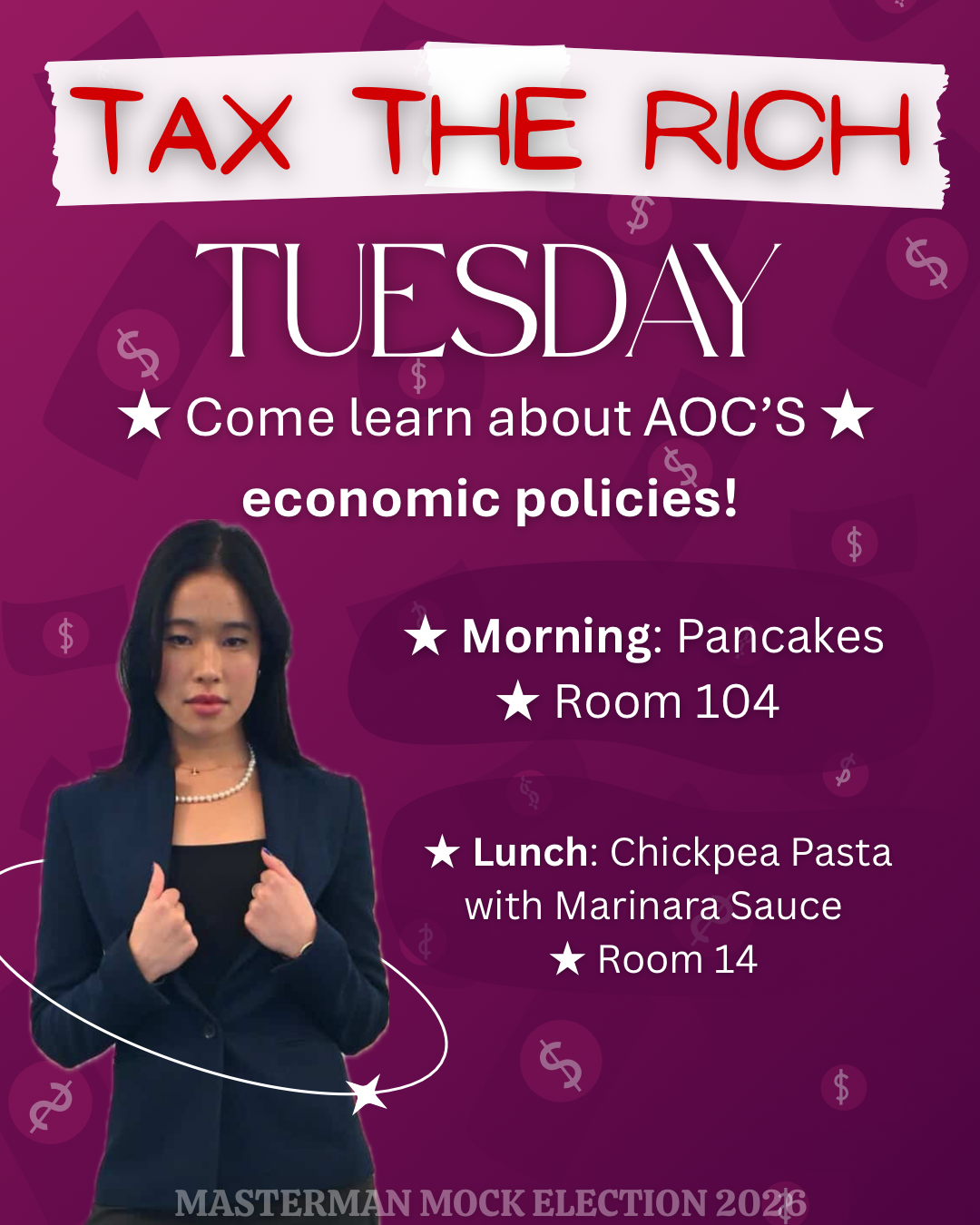
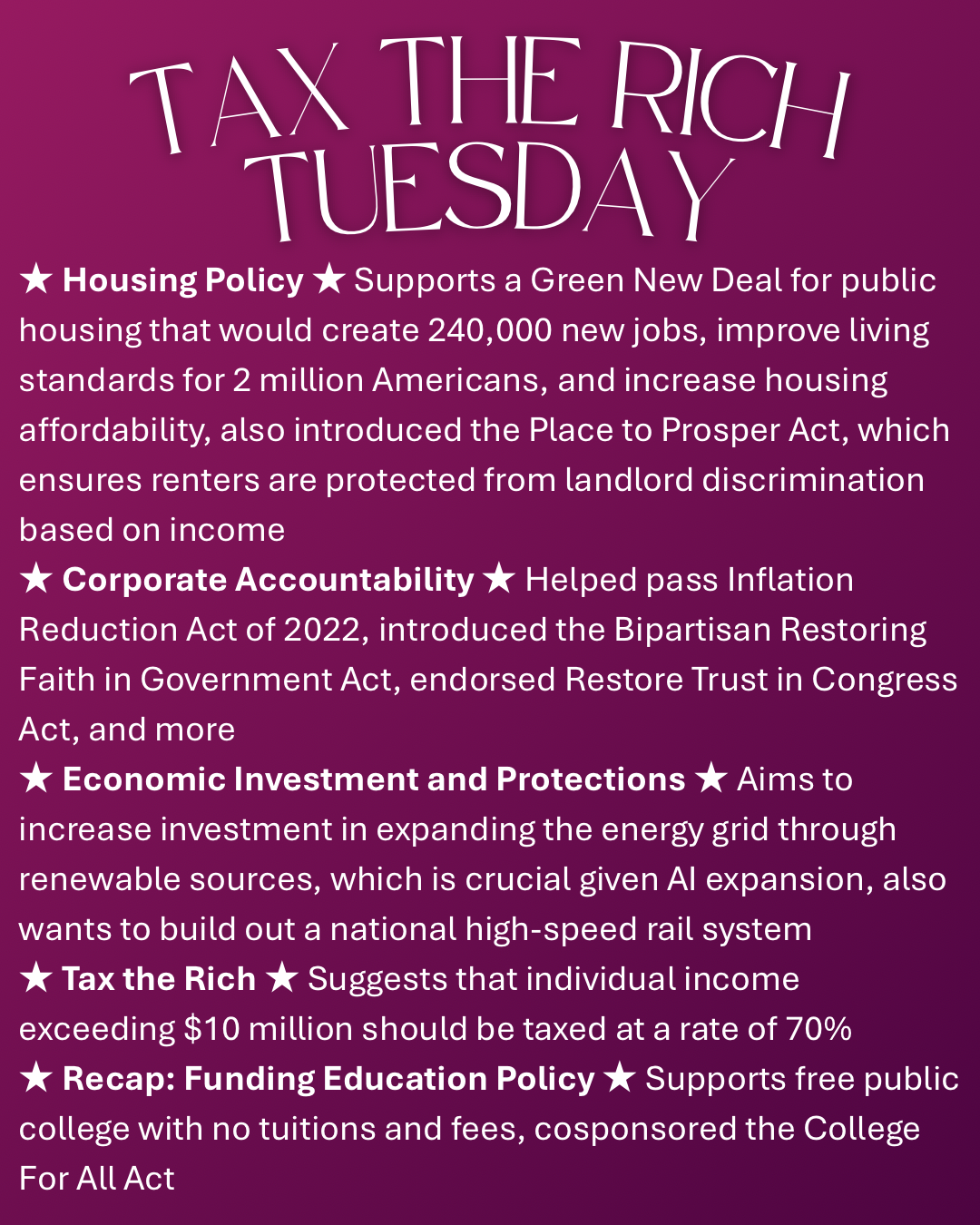
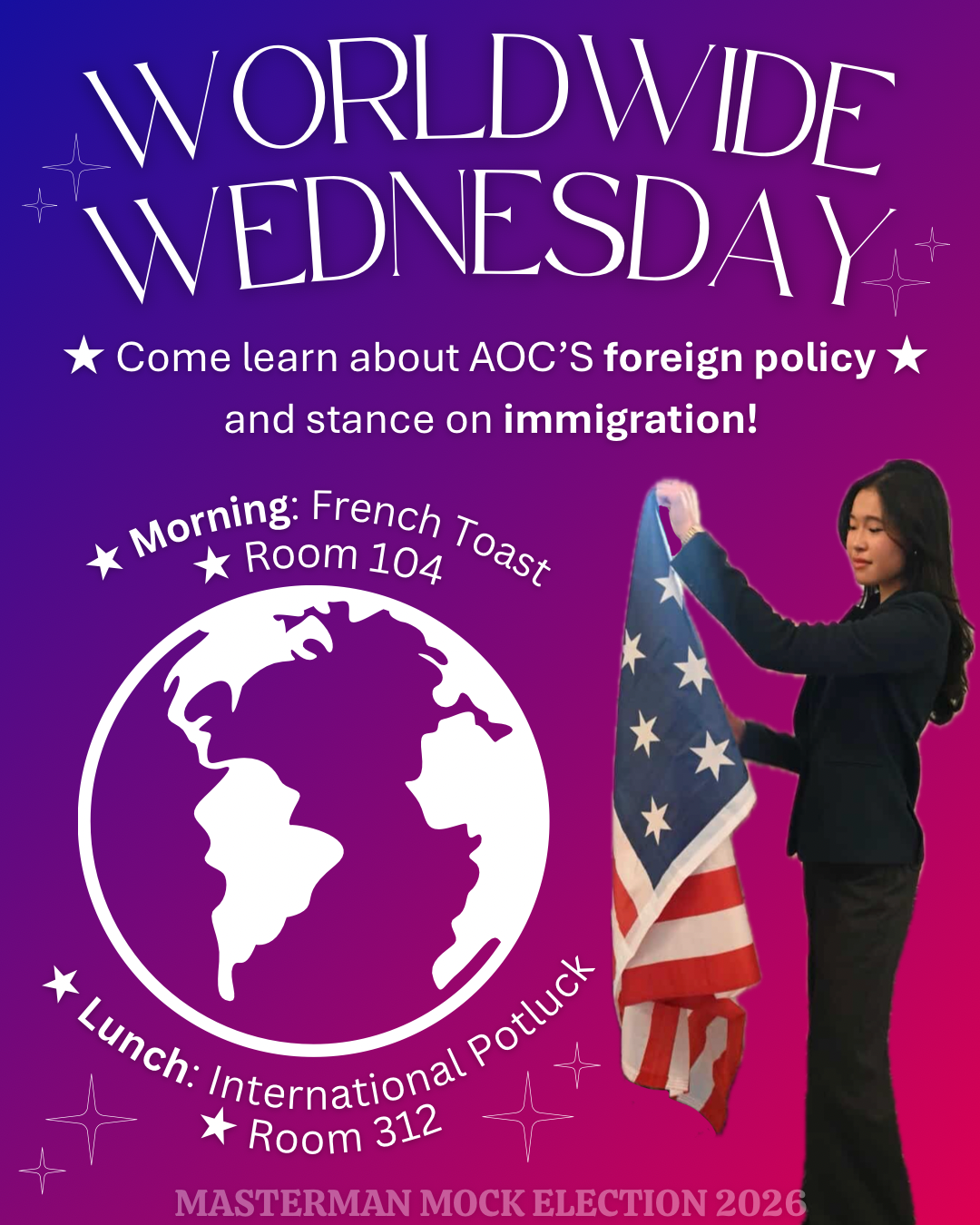
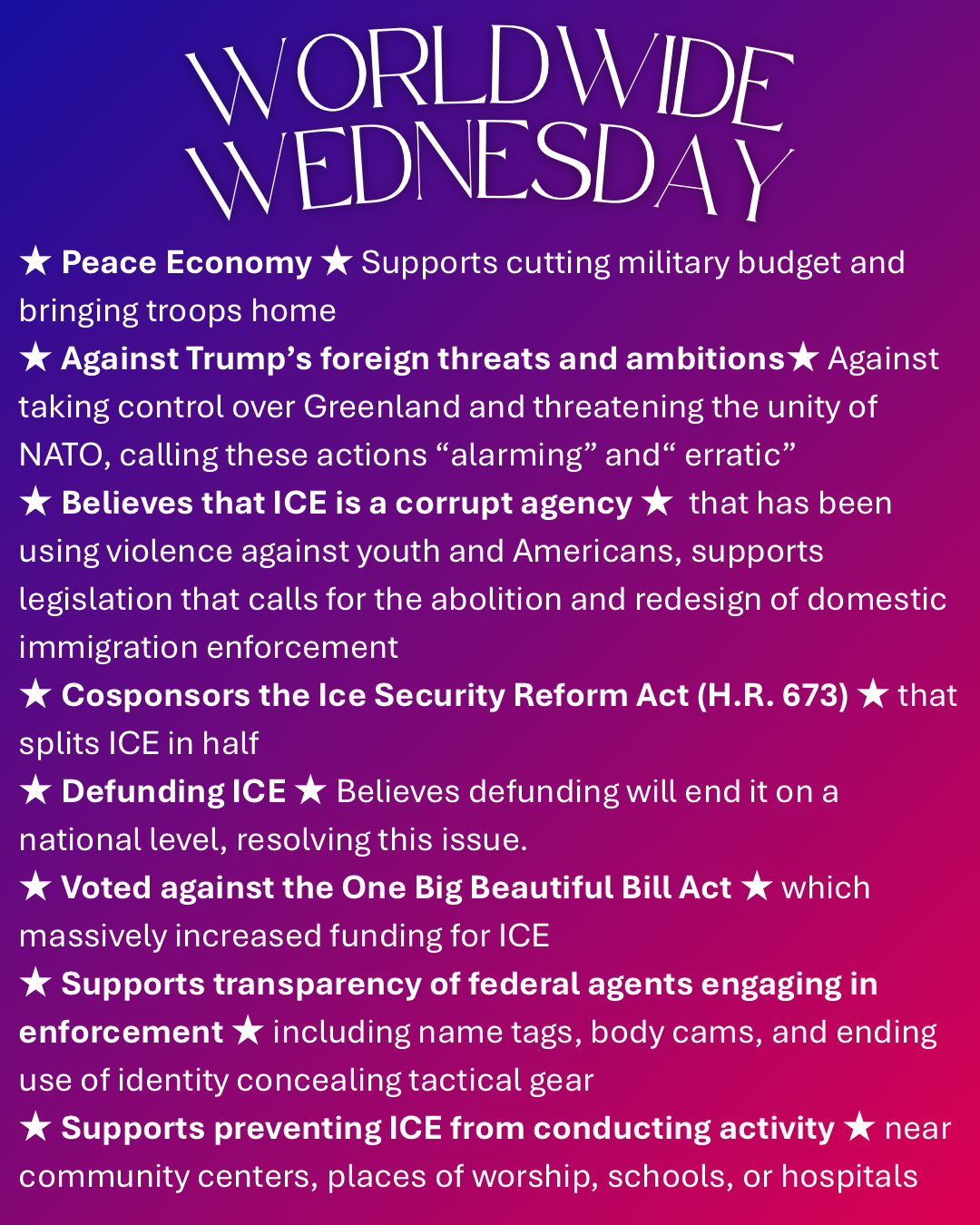
Overall, the goal of the AOC campaign was to prioritize quality over quantity. The posts were meant to reflect the time and effort that would be put into them, with the quality of design and filming being prioritized over the quantity of posts that would be made. This was done through various means, such as deciding on a color scheme and design palette to keep the posts consistent. The informational posts were also done with a consistent template in order to reduce confusion and stand out against videos that would be posted, so that if one were to seek out information about where or when a campaign event is happening, it is easier to spot on the page.
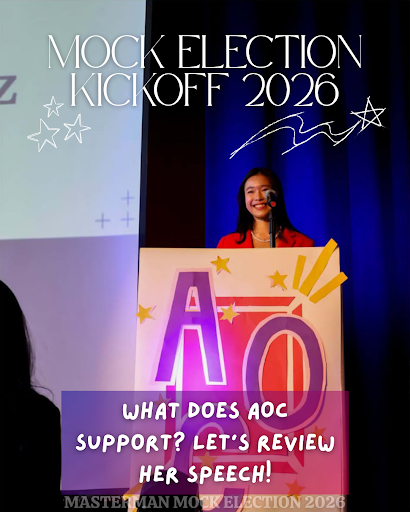
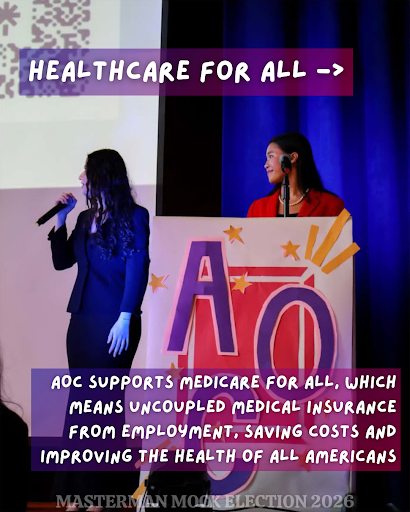
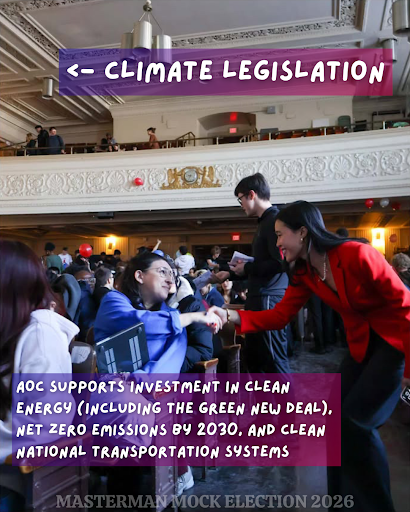
The team also sought creative ways to incorporate the 1/3rd 2/3rds rule, simplifying policy positions into “one liners” that would catch the attention of the reader while expanding more on the policy positions in the captions of the posts instead. This can be seen in both image-formatted posts, such as the “Kickoff Speech Recap” post, as well as video-formatted posts, such as the “What’s in my bag?” post.
The first obstacle that the social media team ran into was having to work around virtual days where they were not able to film in person with Izzy. Due to the fact that there was more time to come up with ideas and fully flesh them out, the first few videos that were recorded were made with more quality and originality. The issue of virtual days was worked around by having Izzy’s younger brother help her film the videos after the script was written. This obstacle would resurface in a slightly different form throughout the week, where Izzy’s busy schedule would often prevent her from being able to record videos with the media team and would mostly be an issue when it came to filming the campaign hype video.
As known, name recognition is one of the larger factors when it comes to winning votes in an election. Keeping this in mind, the social media team sought to bring as much attention to AOC as they were able through her online presence. An idea used to increase this recognition was incentivizing students to take a photo with the candidate and post it on their own accounts while tagging the AOC account, where the AOC media team would be able to repost the photos, by offering both candy and “fast passes” to those who post the photos. This method was mostly used directly after the kickoff, which also helped in giving AOC a boost at the start of the week.
As the week progressed, the problem of Izzy’s limited schedule began to rear its head. Although the team was able to film a couple of videos ahead of time, the videos that needed to be filmed during the week were given less time and effort and in turn came out to be poorer in quality and creativity. It became a question of who can post the most videos attacking the other candidate or responding to an attack from the other campaign. This drop in quality especially became evident as the debate at the end of the week approached.
Overall, as with every year, social media became one of the key ways that the AOC campaign was able to connect with the Masterman student body to communicate policy positions, event logistics, and general information throughout the week.
Post Examples
“Mock Election Kickoff Speech Recap” Post
Weekday Information Posts
Heightened Debate
Although social media plays a key role in the Masterman Mock Election every year, its prevalence this year may have been larger than previous years. This is largely due to the fact that both campaigns turned to attacking the other candidate’s policies on their social media platform as opposed to focusing solely on the positions of their own candidate. This is something that the AOC campaign noticed right off the bat. Directly after the kickoff assembly ended, one of the three videos posted by the Shapiro campaign attacked AOC’s lack of passed legislation. This would be only the first of many videos that both campaigns posted criticizing the other candidate. The AOC campaign would go on to post five videos that would directly respond to something the Shapiro campaign would say.
One of the leading topics of debate between the two candidates this year was the debate about I.C.E, an important topic that impacted many students at Masterman. Due to its prevalence in national current events during the week, it became one of the leading points of interest as well as controversy between the two candidates. This also became evident in AOC’s social media page as well, where the social media team posted three separate posts about it, both speaking on the topic and her stances on it as well as responding to facts spread by the Shapiro campaign.
In comparison to last year’s social media pages, where the Vance campaign had eleven posts and the Walz campaign had fourteen, the AOC campaign ended up posting 24 posts in total, with ten of them being videos, eight being informational daily posts, and five being endorsement posts. Of those 24 posts, six of them would have some sort of criticism of Shapiro’s policies or a response to their attacks on the AOC campaign.
Criticizing Posts
Criticizing moderation/compromise
Directly responding to a criticism from Shapiro
Shapiro & ICE (1)
Medicare for All response
Shapiro & ICE (2)
Governor vs. Representative
Reflection
The largest criticism that the campaign received was the undecided response to Shapiro’s constant attacks on the campaign. It was evident that the team was not necessarily prepared to defend the campaign from the stream of criticism that it received from the Shapiro campaign, and the indecisiveness of whether or not to respond to said attacks also became evident. Although the original plan was to ignore the attacks to one up the Shapiro campaign in maturity and campaigning, as the week progressed and more and more questions were thrown at Izzy about said attacks, it was decided that there needs to be some sort of response to the claims that the other campaign was making. Izzy voiced concern that the only questions she would receive would be about the criticisms that the Shapiro campaign posted, and she wished to take care of those via social media so that she would not need to answer as many of those questions during her events. This switch between not attacking to attacking ended up weakening the effectiveness of the campaign, where it was unclear about what the campaign was seeking to achieve and market their candidate as.
There was also some confusion within the campaign between the social media team and Mr. Gilligan as well. Although there were ground rules about negative campaigning, it felt as if many of the attacks that the Shapiro campaign would make would be more of an attack on AOC’s character or even Izzy’s characters as opposed to an attack on the policy, especially when it came to a post that specifically criticized a student error when typing “co-sponsored” instead of “supported.” In cases like these, although it could be considered that the AOC campaign was advertising “false” information about AOC’s policies, the post came off as much more of an attack on the competency of the campaign instead of AOC’s policies, which was disheartening and off-putting for the campaign.
Overall, it was said by various students that AOC’s social media presence was clearly more organized, formal, and “proper,” which both aided and hindered the effectiveness of the campaign. To some, the formality showed quality, consistency, and maturity, while others believed that Shapiro’s was more realistically geared towards high school students as opposed to AOC’s.
Although AOC’s posts throughout the week received more engagement than the posts by Shapiro team, it became evident that the campaign hype video shown at the end of the debate on Friday was one of if not the deciding factor for the election, and the efforts of the social media teams were unfortunately overshadowed by the efforts of the hype video teams, showing just how important catchy and interesting media (although in this case a longer form video) are to a successful mock election campaign at Masterman.
Task List
The Instagram account itself was mostly run by Victoria Chernyak, who was not only in charge of logging into the account and posting daily but also designing image-formatted posts. She took care of scheduling what posts would be posted when, confirming all posts with Mr. Gilligan ahead of time, actually posting and making sure images, videos, and captions were handled, as well as analyzing engagement and how the post was received. All the posts that were general schedule posts, which include the “Meet the Candidate,” “Come AO‘C’ Us,” “Kickoff Speech Recap,” club endorsements, and daily theme and menu posts, were all designed by Victoria. She also created the response to Shapiro’s criticism of AOC’s dress, which was in video format.
Video-formatted posts, or as known as “Reels” on Instagram, were mostly taken care of by Andy Luong, who would also occasionally receive aid from Akino Harris and Rishab Das. He was in charge of filming Izzy as well as taking the clips and putting them together and editing them into the videos that would be posted. Andy would also be tasked with taking photos of Izzy during her events throughout the week and editing them to use on the Instagram page.
All of the information that would go on the posts, which not only include spoken information for videos but also written information on daily posts and further explanations in captions, were done by Zoe Chien, who would simplify information from the research team into digestible parts that could be turned into social media posts. Beyond that, she would also handle reiterating the information from the posts into captions for each post, also formatting sources and making sure the correct sources were cited in the captions as well. Zoe would occasionally also receive aid from Rishab Das and Sean Rolando when writing video scripts and ideas.
Izzy would also be very involved in the production of media to post. Beyond taking photos to use throughout the campaign, Izzy would have to memorize the written script and/or information provided by the research team and speak on it for the videos. Most of the videos she ended up filming were improvised on the spot, besides a select few that had a script written ahead of time that she needed to memorize. Small shoutout to Izzy’s younger brother, who helped Izzy film some videos during the virtual days that we were not in school to film.
Other Video Examples
“What’s in my bag?”
“AOC on small businesses”
“Climate”